Aluminum Sliding Systems for Canopies
Aluminum sliding doors and fixed panels with single or double glazing are highly favored by architects, construction companies, and private homeowners. These glazing solutions are known for their simplicity, functionality, and durable construction, making them ideal for a wide range of applications.
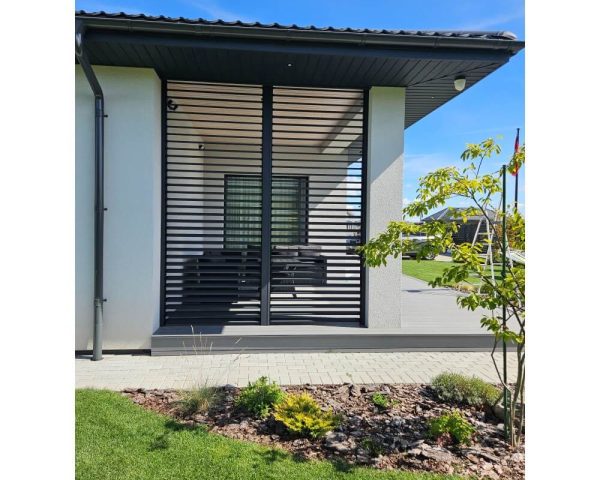
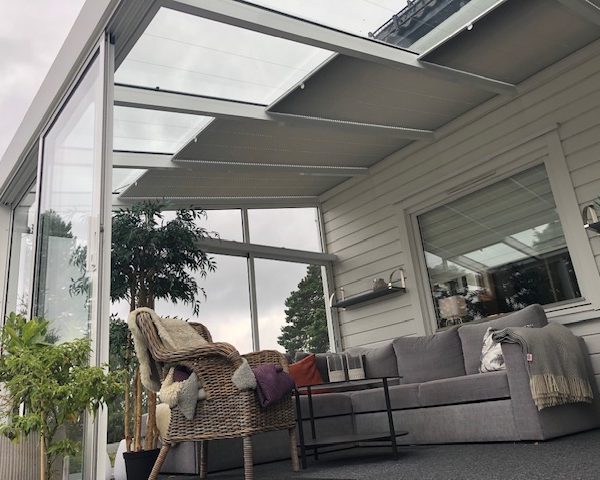
One of the main advantages of non-insulated aluminum profiles is their strength and durability. Aluminum is renowned for its robustness, and when used in a properly designed structure, it easily withstands external elements such as wind, snow, and rain. Therefore, sliding doors, sliding windows, and fixed panels are excellent for outdoor use on balconies, verandas, terraces, and pergolas, as well as in office partitions. They can also serve as entrances or dividers between indoor spaces, adding both elegance and function.
Glass choice plays an important role in these glazing systems. They are available with single or double glazing depending on insulation needs and energy efficiency requirements. Double glazing offers improved sound insulation and reduces heat loss, while single glazing provides more limited thermal and acoustic insulation.
Aesthetic appeal is another reason non-insulated aluminum sliding systems are so popular. The clean, modern lines of the aluminum profiles complement a wide range of architectural styles and enhance the visual appeal of any building or outdoor area. Systems can be customized in various sizes and shapes to meet specific project needs.
Another key benefit is ease of installation. These systems are relatively simple to assemble, and with the right tools and expertise, installation can be done efficiently—saving time and labor costs on-site.
For added comfort, all sliding components are fitted with sealing brushes to protect against wind and rain. This helps maintain a pleasant indoor environment and prevents drafts or water ingress.
In addition to all these advantages, non-insulated aluminum sliding doors, sliding windows, and fixed partitions offer extensive configuration options. Depending on project requirements, systems can include 2-, 3-, or 4-track rails. The glass can be divided into up to 8 individual panels, offering greater flexibility in opening and closing.